

Heating and cooling systems are essential for maintaining comfort in your home, but when they break down or stop functioning efficiently, it can lead to discomfort and expensive repairs. Many heating and cooling issues can be prevented with regular maintenance and proper care. This guide explores common heating and cooling problems and offers tips on how to prevent them.
1. Regularly Change or Clean Air Filters
Why It’s Important:
Dirty or clogged air filters are one of the most common causes of poor airflow and inefficient heating or cooling. When filters are blocked with dust, dirt, and debris, your system has to work harder, leading to higher energy bills and potential system malfunctions.
How to Do It:
- Check Filters Every Month: Inspect your filters at least once a month to ensure they aren’t clogged with dirt or debris.
- Change Filters Regularly: Replace disposable filters every 1-3 months, depending on your system and the level of usage. If you have reusable filters, clean them according to the manufacturer’s instructions.
- Use High-Efficiency Filters: Consider using high-efficiency particulate air (HEPA) filters or filters with a higher MERV (Minimum Efficiency Reporting Value) rating for better air quality and reduced dust buildup.
Tip:
During peak usage times (winter and summer), you may need to replace or clean the filters more frequently.
2. Seal Gaps and Insulate Your Home
Why It’s Important:
Heat loss in winter and heat gain in summer are often caused by gaps and cracks in your home’s insulation and sealing. Poor insulation forces your heating and cooling system to work harder to maintain a comfortable temperature, leading to inefficiency and higher energy bills.
How to Do It:
- Inspect for Air Leaks: Check windows, doors, vents, and other openings for drafts. You can test for air leaks by running a candle or incense stick along seams—if the flame flickers or the smoke moves, there’s a leak.
- Seal Gaps and Cracks: Use weatherstripping around windows and doors, and caulk any visible cracks in the walls or ceiling. Consider adding insulation to attics, basements, and crawl spaces to improve overall energy efficiency.
- Install Energy-Efficient Windows: If necessary, upgrade to energy-efficient windows that offer better insulation and prevent heat transfer.
Tip:
Focus on areas like attics, basements, and around plumbing fixtures where heat loss or gain is most prominent.
3. Keep the Outdoor Unit Clean (For Central Air Systems)
Why It’s Important:
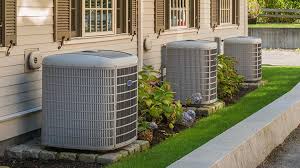
The outdoor condenser unit of your air conditioning system needs regular cleaning to ensure proper airflow. Dirt, debris, and vegetation can block the unit’s vents and reduce its efficiency, leading to potential system failure.
How to Do It:
- Clear Surrounding Areas: Trim any shrubs, plants, or branches that are near the condenser unit to ensure proper airflow.
- Clean the Coils: Turn off the system and carefully clean the condenser coils using a soft brush or hose to remove dirt and dust. Be sure not to damage the fins.
- Check for Debris: Regularly inspect the unit for leaves, dirt, or other debris that could obstruct airflow. You may need to clean the fan blades, too.
Tip:
Make sure to have your system checked by a professional technician once a year, as they can ensure the coils and other parts are in good condition.
4. Maintain Proper Thermostat Settings
Why It’s Important:
Incorrect thermostat settings can lead to energy waste and uncomfortable living conditions. Additionally, faulty thermostats can cause heating or cooling systems to cycle on and off unnecessarily, which can lead to wear and tear on the system.
How to Do It:
- Set a Consistent Temperature: Keep the thermostat set at a consistent temperature rather than constantly adjusting it. In winter, aim for 68°F (20°C) during the day and lower it at night. In summer, aim for 78°F (25-26°C) when you’re home and awake.
- Calibrate Your Thermostat: Make sure your thermostat is reading the correct temperature. If it seems off, recalibrate it or have it checked by a professional.
- Install a Programmable Thermostat: Use a programmable or smart thermostat that can automatically adjust temperatures based on your schedule to prevent unnecessary cooling or heating.
Tip:
If you have a large home, consider using zoning systems that allow you to control temperatures in different areas independently.
5. Schedule Regular Professional Maintenance
Why It’s Important:
Regular professional maintenance is key to keeping your heating and cooling system running smoothly. A licensed HVAC technician can identify minor issues before they become major problems and ensure that all components of your system are working properly.
How to Do It:
- Schedule Annual Inspections: Have your HVAC system professionally inspected at least once a year—before the start of the heating season (fall) and the cooling season (spring).
- Check Refrigerant Levels: Make sure that refrigerant levels are optimal for cooling systems. Low refrigerant levels can cause the system to underperform or break down.
- Clean the Ducts: Have the air ducts cleaned regularly to ensure proper airflow and remove accumulated dust, mold, or allergens.
Tip:
Some HVAC companies offer maintenance contracts that include inspections, cleaning, and priority service.
6. Avoid Overloading the System
Why It’s Important:
Running your HVAC system beyond its capacity can cause it to wear out more quickly and reduce its lifespan. Overloading can occur if your system is too small for your home or if it’s running constantly without proper breaks.
How to Do It:
- Ensure Proper Sizing: Make sure your heating and cooling system is properly sized for your home. A system that is too small will have to work harder to maintain the desired temperature, while an oversized system can waste energy.
- Don’t Block Vents or Registers: Keep air vents clear of furniture, rugs, or curtains to allow for proper airflow. Blocking vents can cause the system to work harder and result in uneven heating or cooling.
- Use Fans to Help Circulate Air: In addition to your HVAC system, use ceiling fans or portable fans to help distribute air more evenly throughout your home.
Tip:
If your system is overworking, consider installing a more efficient, appropriately sized unit or adding additional ventilation.
7. Protect Your System from Power Surges
Why It’s Important:
Power surges, often caused by lightning strikes or issues with the electrical grid, can damage your heating and cooling system. A surge protector helps prevent electrical damage to sensitive components, such as the compressor and circuit board.
How to Do It:
- Install a Surge Protector: Consider having a surge protector installed directly into your HVAC system. This device will help prevent damage during electrical storms or fluctuations.
- Turn Off the System During Storms: If a thunderstorm or power outage is expected, turn off your heating or cooling system to prevent electrical damage.
Tip:
Surge protectors are especially important for high-cost equipment, such as air conditioners and heat pumps.
8. Check and Insulate Ductwork
Why It’s Important:
Leaky or uninsulated ducts can lead to significant heat loss or gain, making your heating and cooling system less efficient. This not only increases energy bills but also puts unnecessary strain on your system.
How to Do It:
- Inspect Ductwork for Leaks: Check for leaks in visible ductwork or have a professional perform a duct leak test. Seal any leaks with duct sealant or metal tape.
- Insulate Ducts: Insulate ductwork in unconditioned spaces like attics and basements to minimize heat loss or gain and improve energy efficiency.
Tip:
Sealing and insulating your ducts can improve the efficiency of your HVAC system by up to 20%.
Conclusion:
Preventing common heating and cooling problems is all about proactive maintenance and making small improvements to your home’s energy efficiency. Regular filter changes, proper insulation, professional inspections, and energy-efficient upgrades will not only prevent breakdowns but also extend the life of your system and reduce your energy costs. By following these tips, you can ensure that your heating and cooling system operates smoothly and efficiently, keeping your home comfortable year-round.
